
Azure Dental

Receive Prompt Dental Care From Your Trusted
Emergency Dentist

At Azure Dental, our emergency dentist provides professional care for urgent dental issues, offering relief and focused attention when you need it most.

emergency dentist top

We Deliver Timely Care For Urgent Dental Issues With Focused Treatment Approaches

Facing a dental emergency can be stressful and overwhelming. The pain and uncertainty can make the situation even more complicated, whether it’s a sudden toothache, infection, or dental injury. It’s essential to act quickly to avoid further complications.

Our team at Azure Dental Inglewood understands this urgency. We provide timely, focused care that addresses the problem immediately. By prioritising your comfort and dental health, we aim to relieve pain and restore your peace of mind without delay.

emergency dentist candidate

Candidate Requirements For Receiving Emergency Dental Care

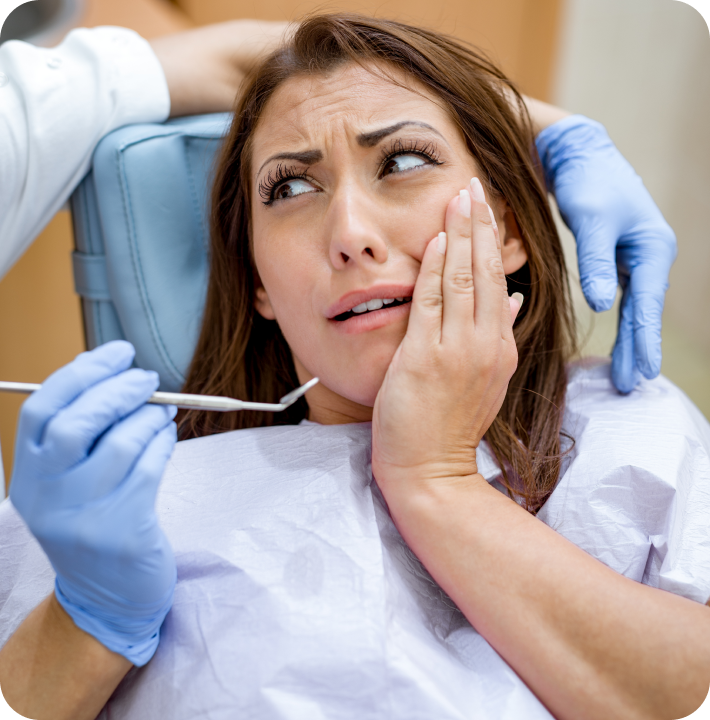
Emergency dental care is designed for individuals with urgent oral health issues that need immediate attention. These patients often experience severe pain or dental injuries.

  • Patients experiencing intense tooth pain or discomfort requiring urgent relief are ideal candidates for emergency dental care.
  • Individuals with visible swelling, abscesses, or other signs of infection may need emergency care to prevent the problem from worsening.
  • People who have suffered dental trauma, such as knocked-out or broken teeth, should seek immediate attention.
  • Patients with lost fillings, crowns, or other restorations should receive prompt care to avoid further complications or damage.

Explore the Benefits of Immediate Care From an Emergency Dentist

Immediate care from an emergency dentist helps address urgent dental issues quickly, providing relief and preventing further complications. Here are some key benefits of seeking emergency care:

  • Quick action relieves severe pain, allowing patients to resume daily activities with comfort and avoid prolonged discomfort.
  • Timely intervention stops infections from spreading and causing more serious oral health problems over time.
  • Emergency care preserves natural teeth that might otherwise be lost or compromised, maintaining your healthy smile.
  • Immediate treatment reduces the need for invasive, costly procedures later, protecting your long-term oral health and comfort.
emergency dentist benefits

Emergency Dentistry Services

Our emergency dental services are designed to provide quick and effective care when urgent dental issues arise.

Toothache Relief Cropped Emergency Dentist

Toothache Relief

Abscess Treatment Cropped Emergency Dentist

Abscess Treatment

Emergency Dentist​

Broken Tooth Repair

Knocked Out Tooth Emergency Dentist

Knocked-Out Tooth

Lost Filling and Crown Replacement Emergency Dentist

Lost Filling and Crown Replacement

Schedule Your Consultation Today

Experience Exceptional Dental Treatments for a Healthier, Brighter Smile

Receive high-quality dental care tailored to improve your oral health and appearance. Our treatments focus on delivering long-lasting results, providing a comfortable experience and promoting a healthier, more confident you.

Azure Dental

Frequently Asked Questions

Our FAQs section provides essential information about emergency dental care, answers common questions and offers guidance for urgent dental issues.

A dental emergency is any urgent oral health problem that needs prompt care to prevent further complications — common examples include a severe toothache, a knocked-out tooth, a broken tooth, and injury to the gums or mouth. Each calls for quick action:

  • Severe toothache: Sudden, intense pain often signals decay or infection and needs immediate attention.
  • Knocked-out tooth: Place it in milk or water and seek urgent care to improve the chance of saving it.
  • Broken tooth: A crack can expose the inner tooth, causing pain and infection, so prompt care is important.
  • Injury to gums or mouth: Trauma to the soft tissues needs immediate evaluation to prevent further harm.

If a tooth is knocked out, stay calm and try to see a dentist within 30 minutes, handling the tooth only by the crown and keeping it moist to improve the chance of saving it. Follow these steps:

  • Find the tooth: Pick it up by the crown, avoiding the root and its delicate tissue.
  • Rinse gently: If dirty, rinse with milk or saline without scrubbing.
  • Reinsert if possible: Place it back in the socket and bite gently on a soft cloth to hold it.
  • Otherwise transport it safely: Keep it in milk or saliva, or between the cheek and teeth, taking care not to swallow it.
  • Avoid water and dry storage: Never store the tooth in water or wrap it in a dry cloth.

You should seek treatment for a broken tooth as soon as possible, and in the meantime take a few immediate steps to protect it and ease discomfort:

  • Rinse your mouth: Use warm water to clear the area and remove any food particles.
  • Assess the pain: If it is severe or worsening, contact emergency dental services straight away.
  • Look for swelling: Swelling around the tooth or face can indicate infection that needs urgent care.
  • Apply a cold compress: Holding a cold compress to the outside of your mouth helps reduce discomfort while you wait.

Yes, a severe toothache can be a dental emergency, because it may indicate an infection or tooth injury that requires immediate care. Over-the-counter pain medication can offer temporary relief, but it is essential to see a dentist as soon as possible so they can assess your condition, create an individualised treatment plan, and address both the pain and its underlying cause.

If you experience sudden dental trauma such as a broken tooth, see a dentist as soon as possible — ideally within 24 to 48 hours — to relieve pain, prevent infection, and preserve the tooth. Prompt care matters because:

  1. Pain relief: A break can expose the inner layers of the tooth, and immediate treatment eases sensitivity or severe pain.
  2. Prevent infection: A crack lets bacteria in, so early treatment lowers the risk of infection or abscess.
  3. Preserve tooth structure: Acting quickly improves the chance of saving the tooth and avoiding more extensive procedures such as a root canal or extraction.

Yes, we offer appointments for urgent dental needs across the week, including Saturdays, with our opening hours being Monday to Wednesday 9am–5:30pm, Thursday 9am–7pm, Friday 9am–4pm, and Saturday 9am–1pm. These hours, including the later Thursday finish and Saturday morning, give convenient options for timely emergency care so pain is managed and your oral health is protected.

If you have a loose filling or crown, act promptly to protect the tooth by keeping any piece that falls out, rinsing your mouth, avoiding that side when chewing, and booking a dental appointment. In detail:

  • Keep the loose piece: If a filling or crown falls out, store it safely and bring it to your appointment.
  • Rinse your mouth: Use warm water to keep the area clean and reduce infection risk.
  • Visit the dentist: Book an evaluation so the tooth can be assessed and the filling or crown replaced.
  • Avoid certain foods: Steer clear of hard or sticky foods until you are seen.

Yes, an emergency dentist can treat injuries to the gums or mouth by assessing the damage, cleaning the area, controlling any bleeding, and providing medication for pain or infection if needed. They check for bleeding, swelling, and trauma to the soft tissues, remove debris to reduce infection risk, use materials or sutures to manage significant bleeding, and recommend a follow-up visit where appropriate to promote healing.

During an emergency dental visit, the dentist evaluates the problem, prioritises pain relief, provides treatment or temporary care, and creates a plan for any further treatment. The visit usually involves:

  • Evaluation of the issue: Examining the affected area to understand the problem and what treatment is needed.
  • Pain management: Prioritising relief with medication or other methods if you are in severe pain.
  • Treatment or temporary care: Stabilising a tooth or replacing a filling until further treatment can be arranged.
  • A treatment plan: Outlining the next steps to fully resolve the issue and protect your oral health.

You can reduce the risk of dental emergencies with regular check-ups, good oral hygiene, avoiding hard foods, wearing a mouthguard during sport, and treating minor issues early. The key habits are:

  • Maintain regular check-ups: Routine exams and cleanings catch problems before they become emergencies.
  • Practice good oral hygiene: Brushing, flossing, and mouthwash help prevent cavities, gum disease, and infection.
  • Avoid hard foods: Biting ice or hard candy can crack or chip teeth.
  • Use a mouthguard: Protects your teeth during sport or physical activity.
  • Address issues promptly: Treating a loose filling or mild pain early prevents bigger problems.

Patient Reviews

Discover what our patients have to say in their reviews as they share their personal experiences with our exceptional dental care services.

Your Dental Care Starts Here

Start your journey to a healthy smile! Fill out the contact form below, and our team will assist you.