
General Dentist For All Dental Needs
As your general dentist, we provide comprehensive services tailored to your needs. Our personalised treatments maintain healthy smiles for patients of all ages.
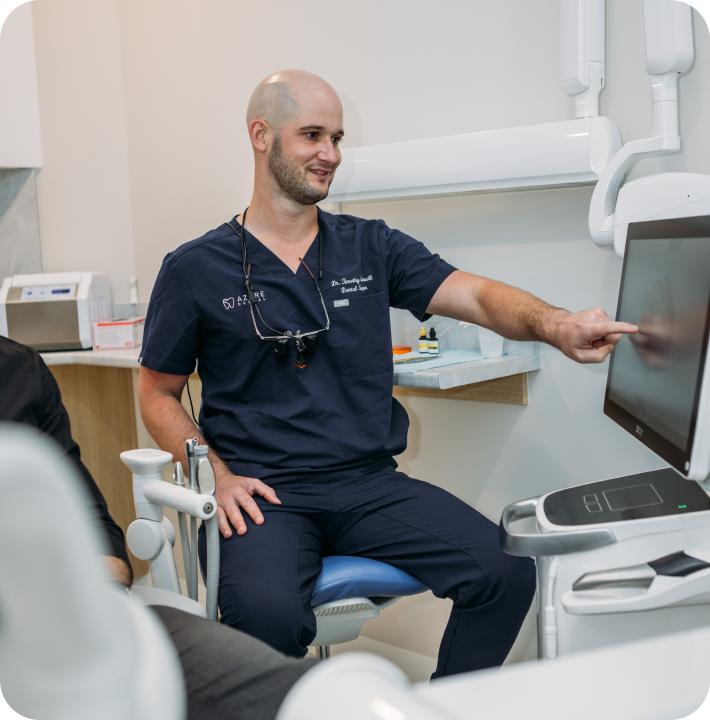
The Role of General Dentists in Providing Long-Term Oral Healthcare
Many people overlook the importance of regular dental visits, resulting in dental problems that worsen over time. Ignoring dental health can result in cavities, gum disease, and tooth loss, which can impact both oral and overall health.
General dentists play an essential role in maintaining long-term oral health through routine checkups, professional cleanings, and other preventive dental treatments. Regular visits help detect and address problems early, promoting a healthy, confident smile and preventing more serious complications.

Find out if You Are a Candidate for General Dentistry Treatments
General dentistry treatments are suitable for patients looking to maintain optimal oral health or address common dental issues effectively. Here are some key factors that make you an ideal candidate:
- Routine Care Needs:
Regular cleanings and checkups are essential for maintaining good oral health. - Minor Dental Issues:
Cavities, chipped teeth, or gum irritation can be effectively managed through general dental care. - Preventative Focus:
If you prioritise preventing problems like decay and gum disease, general dentistry is right for you. - Oral Health Commitment:
Those who are committed to consistent dental visits benefit from long-term care and proactive management of dental health.
Exploring the Benefits of Visiting a General Dentist
Visiting a general dentist regularly offers multiple advantages for maintaining and significantly improving oral health. Below are some key benefits of choosing a general dentist for your dental care:
- Preventative Care:
Regular checkups help detect and address issues early, preventing the need for more complex treatments and extensive procedures later on. - Personalised Treatment Plans:
General dentists create tailored treatment plans based on individual needs and preferences. - Comprehensive Services:
We offer a broad range of dental treatments, from cleanings to fillings. - Long-Term Relationships:
Building rapport with a general dentist provides consistent, reliable, and trusted care for families over time.
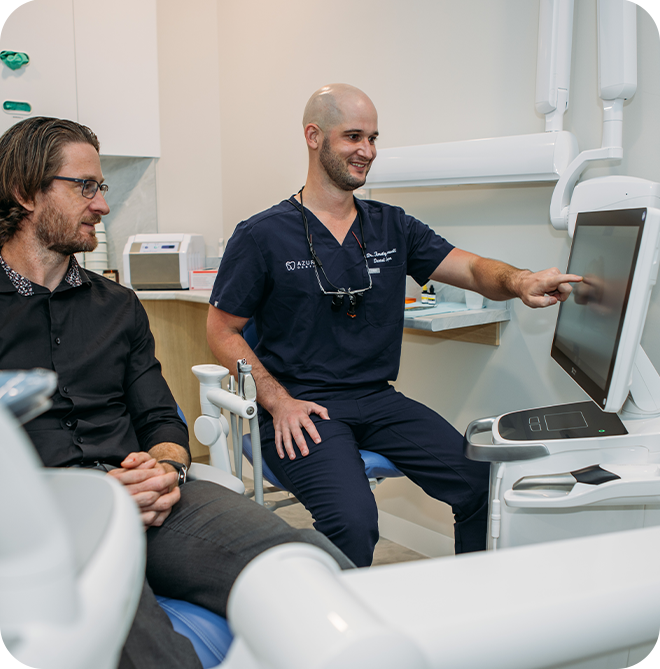
General Dentistry Services
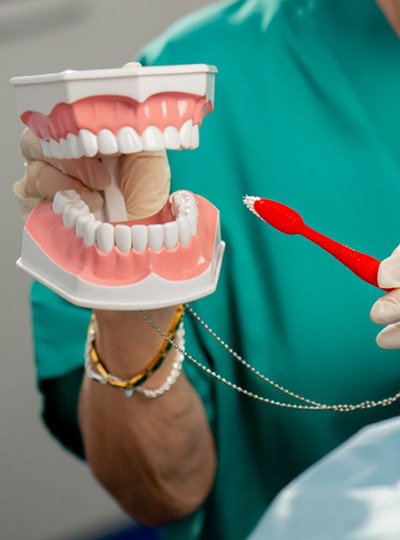
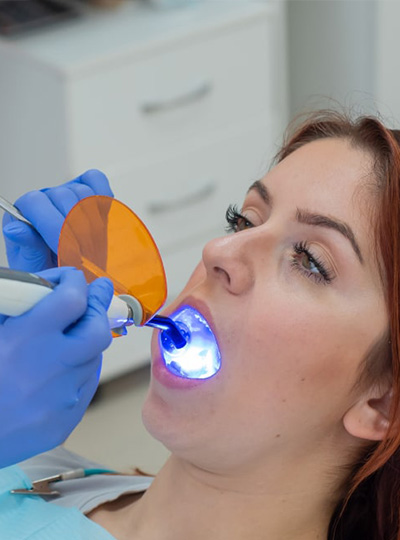
At Azure Dental, we proudly provide comprehensive general dentistry services tailored to support optimal oral health for all ages.



Schedule Your Consultation Today
Experience Exceptional Dental Treatments for a Healthier, Brighter Smile

Frequently Asked Questions
General dentistry plays an essential role in maintaining oral health. Below are common questions to help you understand its importance:
What is general dentistry, and why is it important for oral health?
General dentistry is the everyday dental care that maintains and improves oral health for people of all ages, covering routine check-ups, cleanings, fillings, and extractions. General dentists are trained to address common oral health issues and prevent problems from developing.
Common services include:
- Routine check-ups and cleanings: Regular visits help detect issues like cavities and gum disease early, before they require more complex treatment.
- Preventive dental care: Fluoride treatments, sealants, and brushing and flossing advice help protect teeth and gums.
- Restorative treatments: Fillings and crowns address tooth decay and fractures, restoring teeth and improving function.
- Personalised care: Tailored advice specific to your situation helps keep treatments effective.
- Cosmetic procedures: General dentists may offer teeth whitening and other enhancements to improve your smile.
- Oral health education: Guidance on healthy habits matters because oral health is linked to overall health, including conditions like heart disease and diabetes.
If you’re seeking a general dentist in Inglewood, contact us today.
What is the difference between a dentist and a general dentist?
A general dentist is a dentist who focuses on routine and preventive care — check-ups, cleanings, and basic treatments — while “dentist” is the broader term that also includes specialists. The main differences:
- Definition: A dentist is any dental professional trained in oral health care; a general dentist focuses on routine and preventive care.
- Scope of practice: A dentist may specialise (for example, in teeth alignment or oral surgery); a general dentist provides general care including check-ups, cleanings, and basic treatments.
- Specialisation: Dentists can specialise after additional training; general dentists focus on overall dental health maintenance.
- Services provided: A specialist’s services vary by field (e.g., braces, surgery); a general dentist provides preventive, diagnostic, and minor restorative treatments like fillings.
- Role in oral health: Dentists may address specific or complex issues; general dentists manage day-to-day care and early intervention.
- Patient referral: General dentists are usually your first point of contact and refer you to specialists in areas like orthodontics or oral surgery if advanced treatment is needed.
How often should I visit a general dentist for checkups and cleanings?
Most people should visit a general dentist every six months for a check-up and clean, though some higher-risk patients benefit from visits every three to four months. Key points:
- Every 6 months: Most people should visit twice a year for routine check-ups and cleanings to help prevent cavities and gum disease.
- High-risk patients: If you’re at higher risk of gum disease or cavities, your dentist may recommend visits every 3–4 months.
- Personalised schedule: Your dentist creates a schedule based on your needs, dental history, and overall health.
- Children and seniors: Some patients may need check-ups every 3–6 months to monitor changes in their mouths.
Regular visits are important for early detection of problems and long-term oral health.
What should I expect during a routine dental checkup?
A routine dental check-up includes a review of your dental and medical history, a thorough examination of your teeth and gums, and tailored advice or treatment recommendations. During the visit you can expect:
- Review of dental and medical history: Your dentist reviews your history to understand any conditions that might affect your oral health.
- Comprehensive oral examination: Your dentist checks your teeth, gums, and mouth with a mirror and probe for cavities, gum disease, or other issues, and may take X-rays.
- Oral cancer screening (if required): Your dentist may examine the soft tissues of your mouth, throat, and neck for abnormalities.
Afterwards, your dentist will discuss the findings, highlight any concerns, and recommend appropriate care such as a professional clean, fluoride, or at-home advice. A check-up is also a chance to ask questions and update your oral care plan.
How do I choose the right general dentist for my family?
To choose the right general dentist for your family, look at their qualifications and experience, the range of services offered, location and hours, reputation, communication style, and payment options. Important factors to consider:
- Qualifications and experience: Confirm the dentist is qualified, licensed, and experienced in caring for all ages, and offers preventive, restorative, and emergency treatments.
- Location and hours: Choose a clinic with a convenient location and hours that suit your family’s schedule.
- Reputation and reviews: Read online feedback and ask friends or family for recommendations.
- Comfort and communication: Look for a dentist who makes your family comfortable and explains treatments clearly, especially for children or anxious patients.
- Payment options: Check whether the clinic accepts your health fund or offers flexible payment plans.
A dentist who meets these criteria helps your family receive quality care tailored to their needs.
Are general dentistry services covered by health funds or payment plans?
Yes, most general dentistry services are usually covered by health funds or available through payment plans. Most private health fund policies cover routine services such as check-ups, cleanings, and X-rays, although the level of cover varies by policy.
For services not fully covered, or if you don’t have a health fund, many clinics offer flexible payment plans to help manage the cost of treatments like fillings and crowns. It’s worth checking with your dentist and health fund to understand your benefits and options.
What should I do if I have anxiety about visiting the dentist?
If you feel anxious about visiting the dentist, tell your dental team so they can adjust their approach, and consider sedation options, bringing a support person, and using calming techniques.
Steps that can help ease dental anxiety:
- Communicate your concerns: Let your dentist and team know about your anxiety so they can offer extra support.
- Choose the right dentist: Look for a dentist experienced with anxious patients.
- Consider sedation options: Ask about oral sedatives or other forms of sedation to help you relax.
- Bring a friend or family member: A supportive person can make the experience less stressful.
- Practise breathing techniques: Deep breathing and mindfulness can help you stay calm.
- Schedule morning appointments: Earlier visits reduce the buildup of anxiety through the day.
- Start with a consultation: Meet the team and get comfortable before treatment.
What should I bring to my first general dentistry appointment?
Bring a valid photo ID, your health fund card, a list of your medical conditions and medications, and any referral letters or previous dental records to your first appointment. A useful checklist:
- Identification: A valid ID to confirm your identity and complete paperwork.
- Health fund card: So any benefits can be processed correctly.
- Medical history: A list of medical conditions, allergies, or previous surgeries.
- Medications list: Any prescription or over-the-counter medications you take.
- Referral letters (if applicable): Any referral documents from another healthcare provider.
- Previous dental records (if available): Records from a previous dentist help us understand your history.
What should I do if I have a dental emergency?
In a dental emergency, stay calm and contact your dentist immediately; in the meantime, manage pain with over-the-counter relief, control any bleeding with gentle pressure, and keep a knocked-out tooth moist until you’re seen. Steps to take:
- Stay calm: Staying composed helps you think clearly and act effectively.
- Contact your dentist immediately: Call right away and explain the situation; many clinics offer emergency appointments.
- Manage pain: Over-the-counter pain relievers can help; avoid placing painkillers directly on the gums.
- Stop any bleeding: Apply gentle pressure with clean gauze until bleeding slows.
- Handle a knocked-out tooth properly: Hold it by the crown, rinse gently without scrubbing, and place it back in the socket or keep it moist until you see your dentist.
- Address chipped or broken teeth: Rinse with lukewarm water and apply a cold compress if there’s swelling.
- Deal with soft-tissue injuries: Clean the area with warm water and use a cold compress; seek help if bleeding persists.
- Temporary fixes: Use temporary dental cement from a pharmacy if a filling or crown comes loose.
- Prevent further damage: Avoid using the affected area and stick to soft foods until you’re seen.
Prompt action can reduce damage, manage pain, and improve the chances of successful treatment.
How can I improve my oral health?
You can improve your oral health by brushing twice daily with fluoride toothpaste, flossing once a day, eating a balanced diet, limiting sugar, and visiting your dentist every six months. Key habits:
- Brush twice daily: Brush for at least two minutes with fluoride toothpaste, covering all surfaces.
- Floss daily: Clean between teeth and along the gumline where a brush can’t reach.
- Maintain a balanced diet: Eat plenty of fruits, vegetables, whole grains, and lean proteins.
- Drink plenty of water: Water rinses away food and bacteria; fluoridated water helps protect against decay.
- Avoid smoking and tobacco: These increase the risk of gum disease, decay, and oral cancer.
- Limit sugary and acidic foods: They erode enamel; rinse with water afterwards if you do have them.
- Chew sugar-free gum: It stimulates saliva, which neutralises acids.
- Replace your toothbrush regularly: Every three months, or sooner if bristles are worn.
- Visit your dentist regularly: Check-ups every six months catch problems early.